
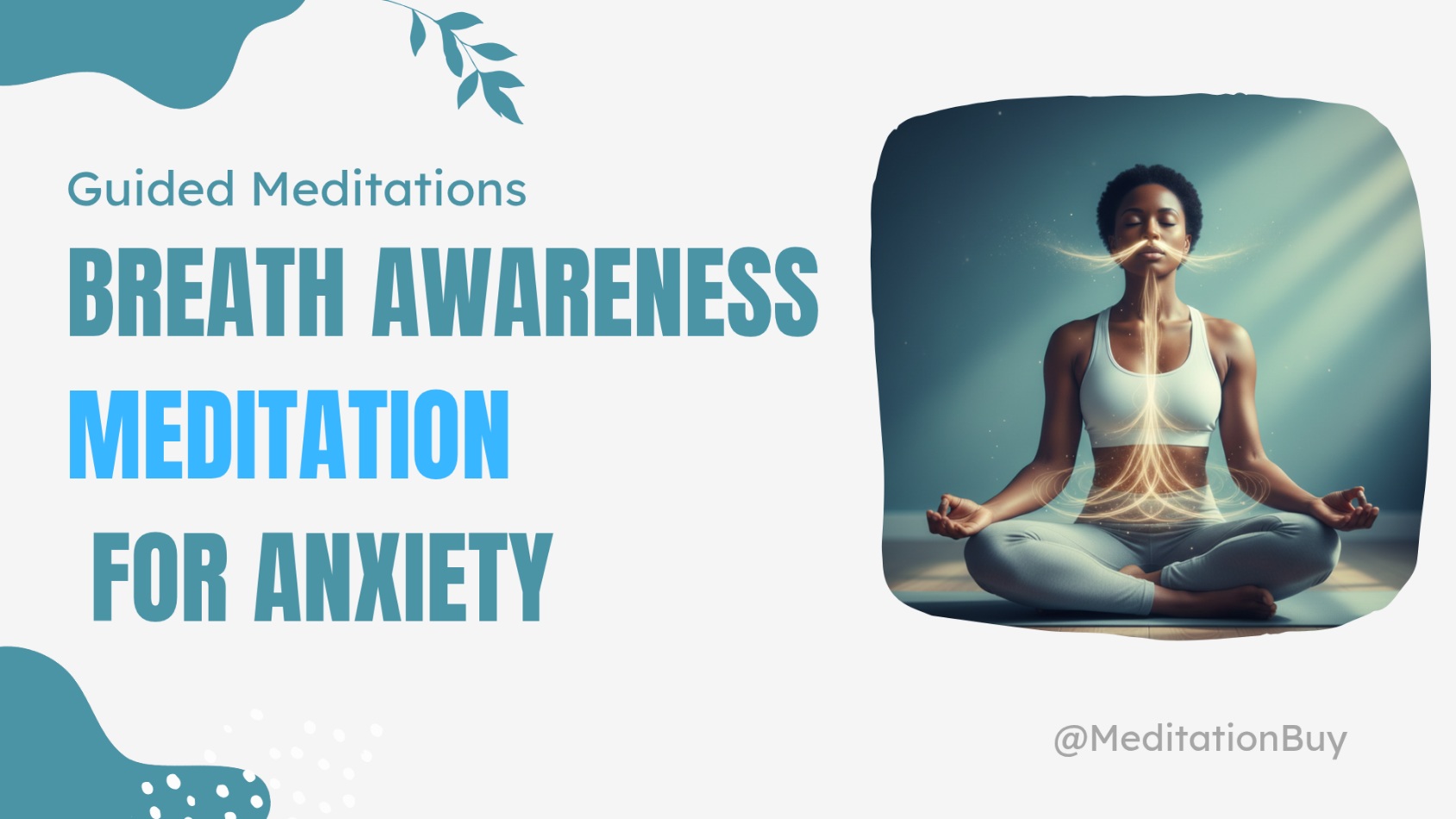

Breath Awareness Meditation for Anxiety: A Simple Path to Inner Calm
In a world that keeps moving faster every day, many of us feel the weight of anxiety settling into our lives. Our thoughts race ahead, our hearts beat a little quicker, and our breath becomes shallow without us even noticing. But there is a gentle, ancient practice that helps bring us back to balance — breath awareness meditation for anxiety. It is simple, peaceful, and something you can begin right now without any special tools.
This practice is commonly used by therapists, yoga teachers, and mindfulness coaches worldwide.
This practice teaches you to come home to your breath, the most natural rhythm your body already knows. By reconnecting with your breath, your mind slowly begins to soften, your nervous system relaxes, and your sense of clarity returns. If you’re exploring gentle techniques to calm anxiety naturally, you may also find relief through grounding practices like the 3-3-3 rule for anxiety or understanding how different anxiety patterns affect the body in different anxiety disorders and their symptoms.
Table of Contents
What Is Breath Awareness Meditation?

Breath awareness is a mindfulness practice where you gently pay attention to your natural breathing. You don’t force anything. You simply notice the movement of air entering and leaving your body.
This meditation is one of the oldest techniques in traditional mindfulness teachings. It is also widely used in modern mental health programs like Mindfulness-Based Stress Reduction (MBSR), developed by Dr. Jon Kabat-Zinn. Many therapists and wellness experts recommend breath awareness because it helps calm both the mind and body.
The best part? It is simple, beginner-friendly, and can be practiced anywhere — at home, at work, or even while traveling.
How Breath Awareness Meditation Helps With Anxiety
When you feel anxious, your breathing is often the first thing that changes. It becomes fast, short, or uneven. This signals your brain that something is wrong, which increases anxiety even more.
Breath awareness meditation for anxiety breaks this cycle. Here’s how it works:
1. It Activates the Relaxation Response
Slow, steady breathing sends a message to your body that you are safe. This activates the parasympathetic nervous system — the natural calming system — which gently lowers your heart rate and softens muscle tension.
2. It Reduces Overthinking
Anxiety thrives on racing thoughts. When you focus on your breath, your mind has something steady and peaceful to rest on. This reduces mental clutter and brings a sense of clarity.
3. It Grounds You in the Present
Anxious thoughts usually live in the future — “what if this happens?” Breath awareness pulls your attention back into the present moment, where calmness naturally exists.
4. It Builds Emotional Control
With regular practice, you become more aware of your body’s signals. You begin to notice stress earlier and manage it gently instead of being overwhelmed by it.
5. It Softens Physical Symptoms of Anxiety
Many people feel anxiety in their body — tight chest, shaky hands, restless legs, or dizziness. Breath awareness helps loosen these sensations and reduce the intensity over time.
Step-by-Step Guide: How to Practice Breath Awareness Meditation
You can begin this practice in just a few minutes. Here’s a simple method anyone can follow:
Step 1: Find a Comfortable Position
Sit with your back relaxed or lie down. Keep your hands resting gently.
Step 2: Take a Slow, Deep Breath
Inhale through your nose, then exhale softly through your mouth. Let your shoulders relax.
Step 3: Notice the Sensation of Breathing
Observe how the air feels as it enters your nose… moves through your chest… and gently leaves your body.
Step 4: Follow Each Breath
Let your attention rest on the natural rhythm. You are not controlling the breath — only noticing it.
Step 5: When the Mind Wanders, Return to the Breath
This will happen, and it’s completely normal. Everything is part of the practice. Just come back to the breath without judgment.
Step 6: End With Gratitude
After a few minutes, take one deep breath and thank yourself for taking this time to care for your mind and body.
The Science Behind Breath Awareness
Many studies show that mindful breathing can reduce anxiety. According to the Harvard Medical School, slow breathing helps regulate the nervous system and lowers stress hormones.
Research also shows that mindful breathing improves emotional balance, reduces worry, and increases feelings of control. This is why therapists, psychologists, and wellness experts recommend it as a natural tool for anxiety relief.
Practical Tips for Success
- Start with 5 minutes a day and increase gradually.
- Practice at the same time daily to build a habit.
- Try using guided sessions if you’re new (Calm, Headspace, Insight Timer).
- Be gentle with yourself — there is no “perfect” meditation.
- Combine this meditation with gentle stretching or body scan for deeper calm.
You can also combine this practice with body scan meditation for anxiety to deepen relaxation and awareness.
Common Challenges & How to Overcome Them
“My mind keeps wandering.”
That’s normal. Bring your attention back each time. This is how your focus grows stronger.
“I feel restless.”
Try shorter sessions. Even two minutes of mindful breathing can reduce anxiety.
“I get frustrated.”
Be patient. Meditation is a skill — the more you practice, the calmer you become.
Using Breath Awareness in Daily Life
You can use breath awareness during stressful moments:
- Before an exam or meeting
- When you feel anxious in public
- Before bedtime to relax your body
- During emotional conversations
This simple technique helps you stay steady even in challenging moments. If anxiety regularly interferes with your routine, understanding its root causes can help. Explore common anxiety disorders and their symptoms to gain clarity and reassurance.
Final Thoughts
Anxiety can feel heavy, but it does not define you. Breath awareness meditation for anxiety is a gentle reminder that peace is already within you. By returning to your breath, you return to yourself.
Every breath becomes a fresh start — a moment of calm, clarity, and inner strength waiting to rise.
If this article helped you, feel free to share it. Your experience may inspire someone else who is struggling.
FAQs
Breath awareness meditation is a mindfulness practice where you focus on your natural breathing to calm your mind, reduce stress, and bring your attention into the present moment.
Breath awareness reduces anxiety by slowing the nervous system, lowering heart rate, easing tension, and interrupting racing thoughts. It shifts your body into a relaxed state.
Sit comfortably, close your eyes, and observe your natural breath. Notice each inhale and exhale without trying to change it. When your mind wanders, gently return your attention to your breathing.
You can start with 3–5 minutes per day and gradually increase to 10–20 minutes for deeper anxiety relief.
Yes. Focusing on slow, natural breathing activates the body’s relaxation response, helping to calm anxiety within a few minutes.
Yes. It’s one of the easiest and most accessible meditation techniques, suitable for absolute beginners.
You can practice breath awareness anywhere — at home, at work, or even while traveling — wherever you can sit quietly for a moment.
It reduces anxiety, improves focus, relaxes muscles, balances emotions, and increases mindfulness throughout the day.
