

Essential Oils for Anxiety: Best Natural Scents for Stress Relief
Anxiety is a growing problem in modern life. Constant stress, overthinking, and emotional pressure can affect sleep, focus, and overall well-being. While medical treatments are important for anxiety disorders, many people look for natural ways to calm the mind alongside professional care.
Essential oils are one such natural option. Used for centuries in aromatherapy, essential oils may help promote relaxation, reduce tension, and support emotional balance when used correctly.
In this guide, you’ll learn:
- What essential oils are and how they work
- The best essential oils for anxiety
- Safe ways to use essential oils
- What science says about aromatherapy
- Common mistakes and FAQs
Table of Contents
What Are Essential Oils?
Essential oils are concentrated extracts taken from plants, flowers, leaves, bark, or roots. They contain the natural scent and chemical compounds that give plants their therapeutic properties.
When inhaled, essential oil aromas send signals to the brain’s limbic system, which controls emotions, stress responses, and memory. This is why certain scents can instantly make you feel calmer, happier, or more relaxed.
Essential oils do not cure anxiety, but they may support relaxation and emotional well-being as part of a healthy lifestyle.
Learn more about natural anxiety relief on our blog:
Benefits of Essential Oils for Anxiety
Essential oils help reduce anxiety by:
- Calming the nervous system
- Reducing heart rate and tension
- Creating a peaceful atmosphere
- Helping with better sleep
- Improving emotional balance
Essential oils are especially popular for mild anxiety, daily stress, and relaxation routines such as meditation or bedtime rituals.
See our detailed guide on anxiety here:
Best Essential Oils for Anxiety
1. Lavender Oil
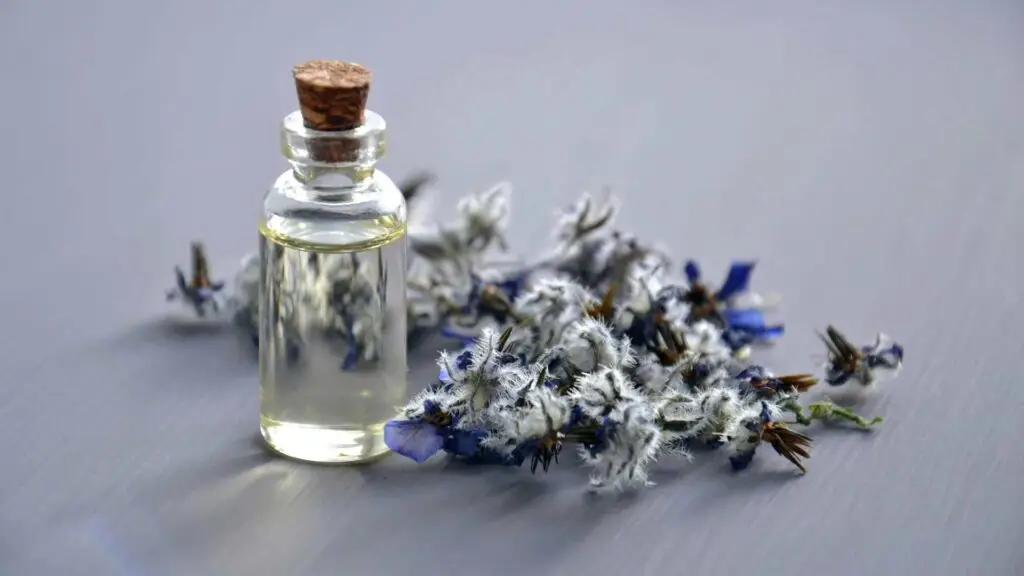
Lavender is the most researched essential oil for anxiety. Its calming aroma may help slow the heart rate, relax the nervous system, and improve sleep quality. It is often used for stress, restlessness, and nighttime anxiety.
2. Chamomile Oil
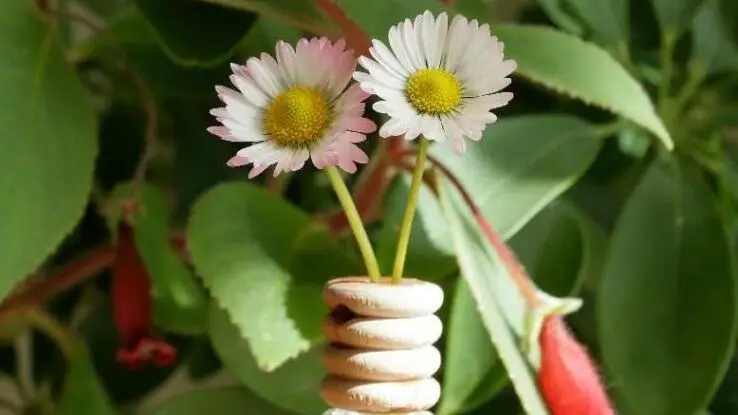
Chamomile oil has a gentle, soothing scent that supports emotional calm. It is commonly used to reduce irritability, nervous tension, and sleep disturbances linked to anxiety.
3. Bergamot Oil
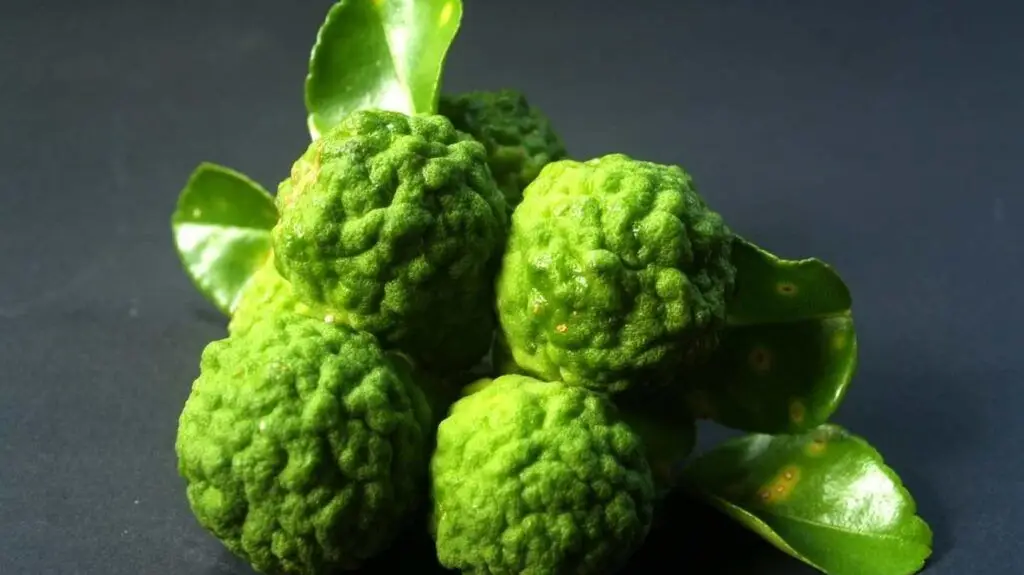
Bergamot has a fresh citrus aroma that helps uplift mood while reducing stress. It may help lower cortisol levels and improve emotional balance, especially during periods of mental fatigue.
4. Ylang Ylang Oil
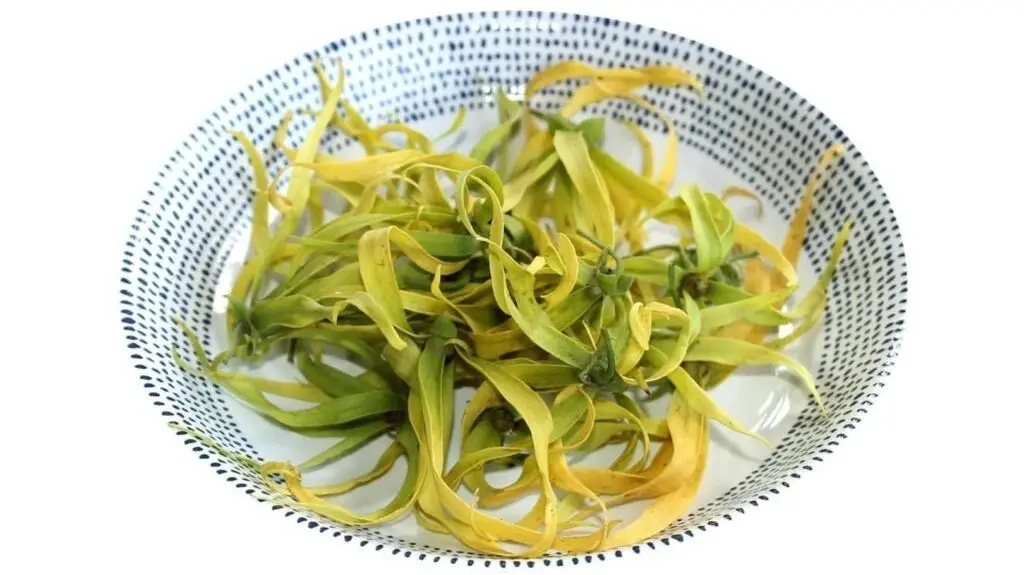
Ylang ylang is known for its sweet floral fragrance. It may help reduce nervousness, promote relaxation, and support emotional stability during stressful moments..
5. Frankincense Oil
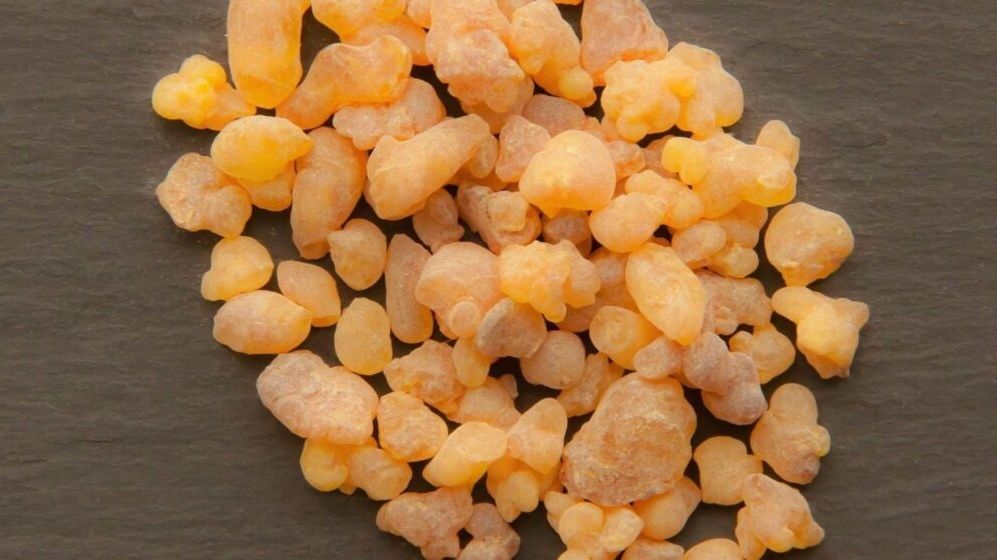
Frankincense is often used in meditation and spiritual practices. It may help slow breathing, encourage mindfulness, and create a sense of inner calm.
6. Rose Oil
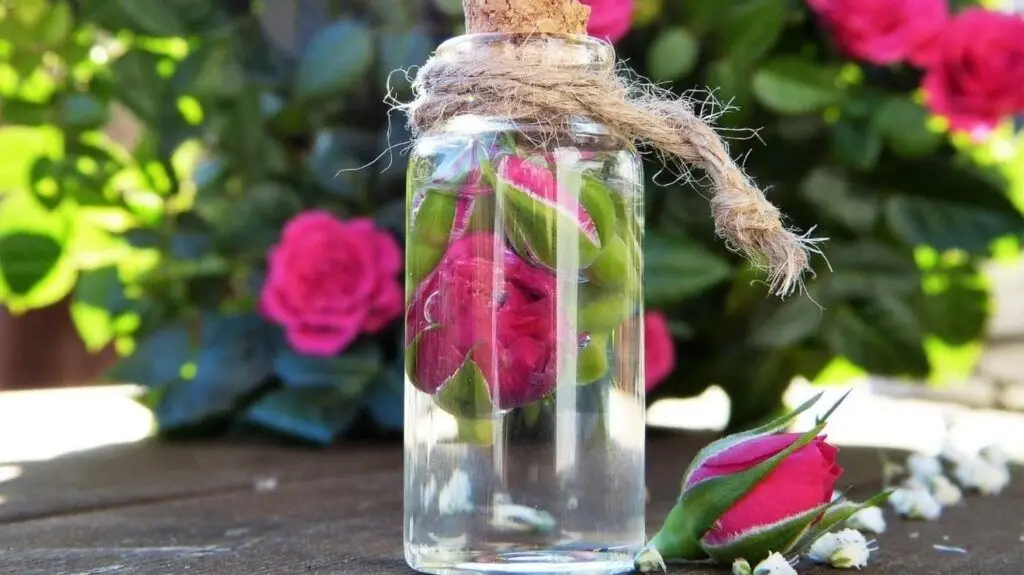
Rose oil has a comforting aroma that may help ease emotional pain, sadness, and stress. It is often associated with heart-centered relaxation and emotional healing.
7. Clary Sage Oil
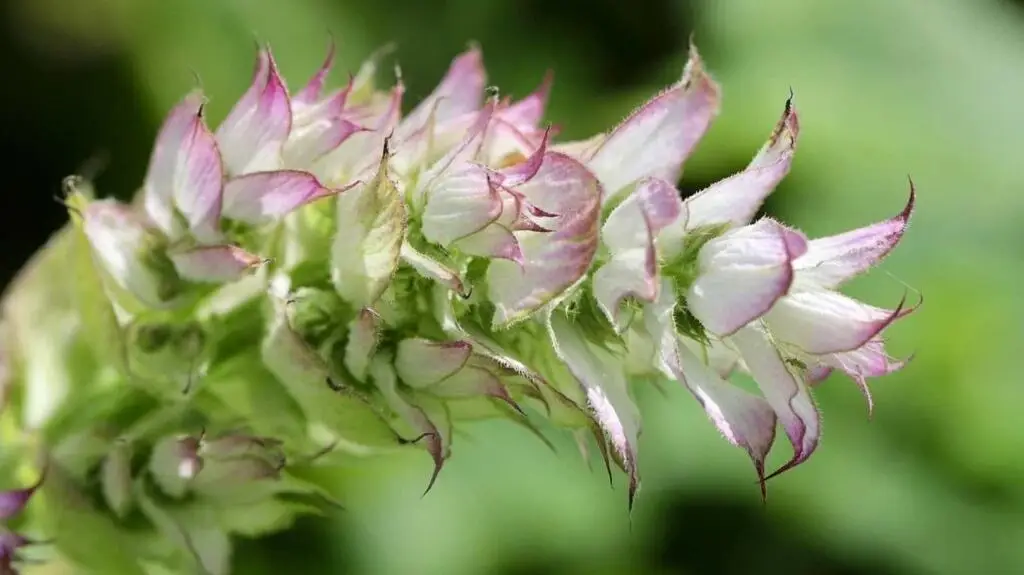
Clary sage may help reduce stress hormones and promote relaxation. It is commonly used for emotional tension and mental exhaustion.
How to Use Essential Oils Safely
1. Diffusion
Add a few drops to a diffuser to calm your room atmosphere.
2. Topical Use
Mix with a carrier oil (coconut or almond oil) and apply on wrists or neck.
3. Steam Inhalation
Add 2–3 drops to hot water and inhale deeply.
4. Bath Therapy
Add 6–8 drops to your bath for a relaxing evening.
How Long Do Essential Oils Take to Work?
| Usage Method | Time to Feel Effect |
| Inhalation | 1–5 minutes |
| Diffuser | 10–20 minutes |
| Topical (diluted) | 15–30 minutes |
| Bath therapy | 20–40 minutes |
Most people notice calm faster with inhalation.
What Does Science Say?
Scientific studies suggest that certain essential oils may influence the nervous system through aromatherapy. Lavender oil has been shown to activate areas of the brain linked to relaxation and emotional regulation.
Bergamot oil may help reduce stress hormones, while chamomile is associated with improved sleep and reduced anxiety symptoms. These effects are generally mild and supportive, not curative.
Essential oils should be viewed as a complementary practice, not a replacement for therapy, medication, or professional mental health care.
Learn more from:
Common Mistakes to Avoid
- Using oils directly on skin without dilution
- Using too many drops
- Applying oils near eyes or mouth
- Not checking for allergies
You can also try mindfulness to calm anxiety:Anxiety vs Panic Attacks
Best Time to Use Essential Oils for Anxiety
| Time of Day | Recommended Oils |
| Morning | Bergamot, Lemon |
| Afternoon | Lavender, Clary Sage |
| Evening | Chamomile, Ylang Ylang |
| Night | Lavender, Sandalwood |
This improves routine-based search intent.
Who Should Avoid Essential Oils?
Essential oils may not be suitable for everyone. Extra caution is needed for:
- Pregnant or breastfeeding women
- Children under six years
- People with asthma or respiratory conditions
- Individuals taking psychiatric or hormonal medications
Always consult a healthcare professional before use.
Frequently Asked Questions
Yes, some essential oils like lavender, chamomile, and bergamot may help calm the mind and reduce stress. They support relaxation but should not replace medical treatment.
Lavender oil is the most researched essential oil for anxiety. It helps lower stress, improve mood, and support peaceful sleep.
You can inhale the scent, diffuse it in your room, apply diluted oil to your skin, or add a few drops to a bath for relaxation.
No. Essential oils should always be diluted with a carrier oil (like coconut, jojoba, or almond oil) before applying to prevent irritation.
Yes, lavender is generally safe for daily use when diluted properly. However, people with allergies or sensitive skin should test it first.
They may help calm your breathing and reduce tension, but they are not a cure. Lavender, Frankincense, and Bergamot can support quick relaxation.
Most people feel calmer within a few minutes of inhalation. Skin-applied oils may take 10–20 minutes to show effects.
Medical Disclaimer
This article is for educational purposes only and does not replace professional medical advice. Essential oils are not a treatment for anxiety disorders. Always consult a qualified healthcare provider before use.
Conclusion
Essential oils offer a gentle, natural way to calm anxiety, improve sleep, and bring peace into your daily life. Whether you use a diffuser, apply diluted oils, or enjoy them during meditation—these natural scents can support emotional healing.
If this article helped you, share it with someone who may need comfort today.
