

Guided Meditations for Anxiety: Simple Practices to Calm the Mind
Anxiety hits hard—racing thoughts, tight chest, poor sleep, endless worry. Guided meditation for anxiety works well and suits beginners.
It’s common, yet natural ways to calm your mind boost daily life.It lowers stress, sharpens focus, and brings back inner peace. A calm voice leads you with breath tips and soft images. This quiets racing thoughts and pulls you into the now.
Whether you’re new to meditation or already practicing mindfulness, guided sessions can support emotional balance and mental clarity when anxiety feels heavy.
What Is Guided Meditation?
Guided meditation uses a teacher, therapist, or voice recording to guide you step by step in a relaxing mind exercise.
Silent meditation lacks this support. Guided versions add clear steps and focus, which helps those with anxiety or racing thoughts.
During a guided session, you may be guided through:
- Deep breathing exercises
- Body awareness or body scans
- Visualization techniques
- Relaxation and grounding practices
The guide helps keep your focus steady when anxious thoughts try to interrupt.
How Guided Meditation Helps the Nervous System
Anxiety often keeps the nervous system in a constant “fight or flight” state. Guided meditation supports the body by activating the parasympathetic nervous system, which is responsible for rest and relaxation.
During guided meditation:
- Heart rate slows down
- Breathing becomes deeper
- Muscle tension decreases
- Stress hormones may reduce naturally
Over time, this repeated calming response trains the body to react less intensely to daily stress.
Benefits of Guided Meditation for Anxiety
1. Immediate Calm
Listening to a guided meditation helps slow your breathing and heart rate, calming your nervous system instantly.
2. Reduces Overthinking
Focusing on a guide’s voice reduces mental chatter and prevents anxious thoughts from spiraling.
3. Improves Sleep
Even 10 minutes before bed can reduce insomnia and racing thoughts caused by anxiety.
4. Builds Emotional Resilience
Regular guided meditation trains your mind to respond calmly to stress and worry.
5. Enhances Mindfulness
You become aware of your body, thoughts, and emotions without judgment — a key tool for anxiety management.
How Long Does Guided Meditation Take to Work?
Results vary from person to person, but many people notice changes quickly.
Typical timeline:
- Immediately: Feeling calmer after a session
- 1–2 weeks: Improved focus and emotional balance
- 3–4 weeks: Reduced anxiety triggers and better stress response
Consistency is more important than duration. Short daily sessions are better than occasional long ones
Top Guided Meditation Techniques for Anxiety
1. Body Scan Meditation
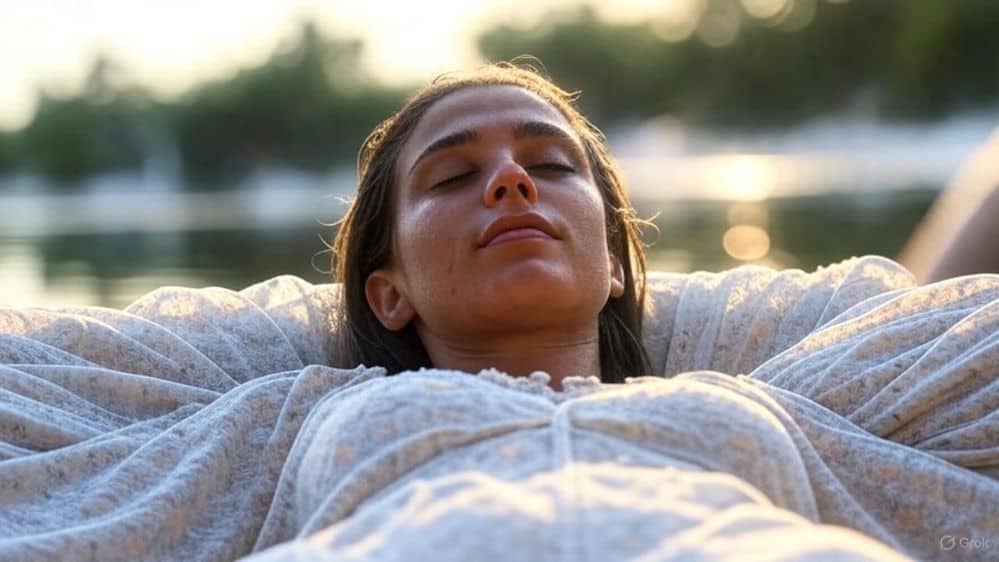
Focus on each part of your body, noticing tension and releasing it.
- Lie down or sit comfortably
- Slowly scan from head to toe
- Relax each area as you breathe deeply
Read full guided meditation for body scan meditation for Anxiety
2. Breath Awareness Meditation

Pay attention to your inhale and exhale.
- Inhale slowly for 4 counts
- Hold for 2 counts
- Exhale for 6 counts
- Repeat for 5–10 minutes
Read full guided Breath Awareness meditation for anxiety
3. Visualization Meditation

Imagine a safe, peaceful place: a beach, forest, or mountain top.
- Engage all senses (smell, sight, sound)
- Stay in this space as your mind relaxes
Read full guided version of Visualization meditation for anxiety
4. Progressive Muscle Relaxation

Tense and release each muscle group to reduce anxiety physically.
- Tense your hands, shoulders, legs one by one
- Exhale as you release tension
5. Loving-Kindness Meditation

Send kind thoughts to yourself and others.
- Repeat phrases silently: “May I be safe, may I be happy”
- Extend it to friends, family, and even difficult people
Guided Meditation vs Other Anxiety Relief Methods
Guided meditation can work well on its own or alongside other lifestyle practices.
| Method | Benefit |
| Guided Meditation | Mental calm and emotional awareness |
| Deep Breathing | Fast nervous system relaxation |
| Physical Exercise | Releases built-up stress |
| Journaling | Helps process anxious thoughts |
| Nature Walks | Reduces mental fatigue |
Combining multiple methods often gives the best results.
Best Time of Day for Guided Meditation
There is no single “perfect” time, but different times offer different benefits.
- Morning: Sets a calm tone for the day
- Afternoon: Reduces stress buildup
- Night: Improves sleep and relaxation
Choose a time that fits your routine so you can practice consistently.
How to Use Guided Meditation Daily
To get the best results, consistency matters more than length.
Simple daily routine:
- Start with 5–10 minutes per day
- Use guided meditation apps, videos, or audio
- Practice at the same time each day
- Combine with journaling, gentle exercise, or breathwork
Even short daily sessions can make a noticeable difference over time.
Using Guided Meditation Apps and Audio
Many people prefer guided meditation through apps or audio recordings.
Benefits of using audio guides:
- Easy for beginners
- Helps maintain focus
- Available anytime
- Offers different meditation styles
When choosing a guided meditation, look for calm voices, simple instructions, and short session options.
Relaxing Guided Meditation to Reduce Anxiety
This guided meditation video is designed to help calm your mind and ease anxiety with slow breathing and peaceful narration. Many people use it as a daily relaxation tool or before sleep. Play the video below or click fullscreen for a deeper experience.
Source: YouTube — The Honest Guys channel
Common Mistakes to Avoid in Guided Meditation
Beginners often feel they are “doing it wrong.” Here are common mistakes to avoid:
- Expecting instant results
- Trying to stop thoughts completely
- Sitting in an uncomfortable position
- Being inconsistent
- Judging yourself during practice
Meditation is about awareness, not perfection.
Tips to Stay Consistent With Meditation
Staying consistent is often the biggest challenge.
Simple tips:
- Set a daily reminder
- Start with short sessions
- Use the same quiet place
- Track progress weekly
- Be patient with yourself
Building meditation into your routine makes it a natural habit.
Is Guided Meditation Safe?
Most folks find guided meditation safe. It aids wellness as a helpful habit, not a doctor’s cure.
Severe anxiety or mental health issues call for pro help. Pair meditation with that care. Never skip real medical advice.
Frequently Asked Questions
Guided meditation does not cure anxiety completely, but it helps reduce symptoms like stress, overthinking, and restlessness. When practiced regularly, guided meditation for anxiety can improve emotional balance and calm the mind. It works best as a supportive practice along with healthy habits or professional care.
Yes, guided meditation is ideal for beginners. A calm voice provides step-by-step instructions, making it easier to stay focused. Beginners often find guided meditation more helpful than silent meditation, especially when anxiety causes racing thoughts.
Even 5 to 15 minutes of guided meditation daily is enough to feel calm and relaxed. Short and consistent sessions work better than long, irregular ones. Over time, you can increase the duration as you feel comfortable.
Guided meditation can help manage panic attack symptoms by slowing breathing and calming the nervous system. While it may not stop panic attacks completely, it can reduce their intensity and help you recover faster after an episode.
Yes, it is completely normal. The mind naturally wanders, especially when anxiety is present. Guided meditation gently brings your attention back without judgment. Over time, your focus improves with regular practice.
Guided meditation apps can be very effective, especially for beginners. They offer easy access to calming sessions, different meditation styles, and flexible timing. Choose apps with simple guidance, soothing voices, and short sessions.
Yes, guided meditation works well alongside other anxiety management methods like therapy, exercise, journaling, and healthy sleep habits. Combining practices often leads to better and longer-lasting results.
Final Thoughts
Guided meditation can really help you handle anxiety Spend just a few minutes a day, and you’ll find your mind chilling out, your emotional strength growing, and a peaceful vibe settling in
Kick off today with any of these methods, and see how it changes your mindset.
Start today with just a few minutes.
Sources & References
The information shared in this article is based on publicly available research,
mental wellness resources, and educational materials from trusted health
organizations. These sources help ensure accuracy and reliability.
Key references include:
• National Institutes of Health (NIH)
• Harvard Health Publishing
• Mayo Clinic
• American Psychological Association (APA)
• World Health Organization (WHO)
These organizations provide evidence-based guidance on anxiety, stress
management, mindfulness, and meditation practices.
Note: This content is for educational purposes only and does not replace
professional medical or mental health advice. Always consult a qualified
healthcare provider for diagnosis or treatment.

Hi