

Sleep Anxiety Disorder: Signs, Causes & Treatment Options
Sleep anxiety disorder is a growing mental health concern affecting millions of people worldwide. It occurs when anxiety intensifies at night, making it difficult to fall asleep, stay asleep, or feel safe during bedtime. For many, nighttime becomes a period of fear, racing thoughts, and physical discomfort instead of rest and recovery.
Unlike occasional sleeplessness, sleep anxiety disorder can create a persistent cycle of worry, panic, and exhaustion. Over time, it may lead to chronic insomnia, daytime fatigue, mood disorders, and reduced quality of life.
This comprehensive guide explores the signs, causes, and treatment options for sleep anxiety disorders. Whether your symptoms are mild or severe, understanding this condition is the first step toward restoring peaceful, restorative sleep.
What Is Sleep Anxiety Disorder?
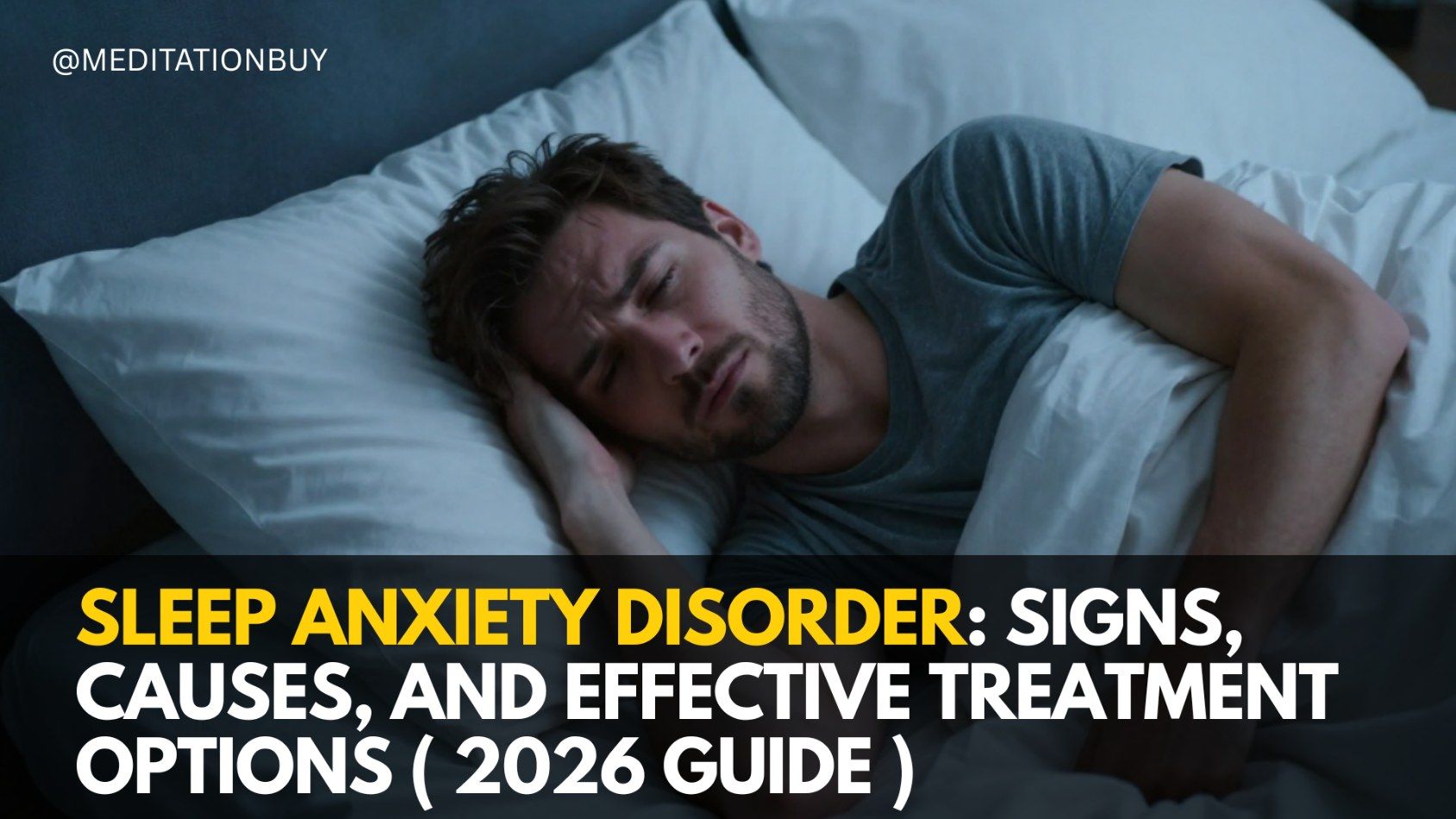
Sleep anxiety disorder refers to anxiety that specifically arises before or during sleep. Individuals with this condition often experience fear or nervousness at bedtime, worry about not being able to sleep, or panic symptoms that worsen at night.
This condition is not officially classified as a separate disorder in diagnostic manuals, but it is widely recognized by mental health professionals as a sleep-related manifestation of anxiety disorders such as generalized anxiety disorder (GAD), panic disorder, or post-traumatic stress disorder (PTSD).
Sleep anxiety creates a feedback loop: fear of poor sleep increases anxiety, which further disrupts sleep, reinforcing the cycle.
How Common Is Sleep Anxiety?
Sleep anxiety is more common than many people realize. Studies suggest that a significant percentage of individuals with anxiety disorders experience nighttime anxiety or sleep-related worry.
It affects people of all ages, but is especially common among:
- Adults with generalized anxiety disorder
- People with a history of panic attacks
- Individuals under chronic stress
- Those who have experienced trauma
- People who struggle with insomnia
Because sleep anxiety often occurs in private and at night, many sufferers feel isolated or believe they are alone in their experience.
Common Signs and Symptoms of Sleep Anxiety Disorder
Sleep anxiety disorder can affect both the mind and body. Symptoms may vary in intensity but often follow recognizable patterns.
Mental and Emotional Symptoms
- Racing thoughts when lying in bed
- Fear or dread as bedtime approaches
- Constant worry about not sleeping
- Overthinking past events or future concerns
- Feeling out of control at night
Physical Symptoms
- Rapid heartbeat or palpitations
- Chest tightness
- Shortness of breath
- Sweating or chills
- Muscle tension
- Nausea or stomach discomfort
Behavioral Symptoms
- Avoiding bedtime
- Checking the clock repeatedly
- Using excessive distractions to fall asleep
- Sleeping during the day due to exhaustion
Nighttime Panic Attacks and Sleep Anxiety
One of the most distressing aspects of sleep anxiety disorder is nighttime panic attacks. These episodes can occur suddenly, often waking a person from sleep with intense fear and physical symptoms.
Nighttime panic attacks may include:
- Sudden awakening with fear
- Rapid breathing
- Chest pain
- Dizziness
- A sense of impending doom
After experiencing one or more nighttime panic attacks, many people develop fear of sleep itself, which worsens sleep anxiety.
What Causes Sleep Anxiety Disorder?
Sleep anxiety disorder does not have a single cause. Instead, it results from a combination of psychological, biological, and lifestyle factors.
1. Overthinking and Mental Hyperarousal
At night, the brain has fewer distractions, allowing anxious thoughts to dominate. The nervous system remains in a state of alertness rather than relaxation.
2. Fear of Not Sleeping
Worrying about the consequences of poor sleep increases anxiety, creating a self-fulfilling cycle.
3. Past Traumatic Experiences
Trauma or emotionally distressing events may resurface during quiet nighttime hours.
4. Chronic Stress
Ongoing stress from work, relationships, or health issues often manifests as nighttime anxiety.
5. Stimulants and Substances
Caffeine, nicotine, alcohol, and certain medications can worsen sleep anxiety.
6. Underlying Anxiety Disorders
Conditions such as GAD, panic disorder, and PTSD frequently contribute to sleep-related anxiety.
Sleep Anxiety Disorder vs Insomnia: Key Differences
Although sleep anxiety and insomnia are closely related, they are not the same.
Sleep anxiety is driven by fear, worry, and emotional distress surrounding sleep.
Insomnia refers to difficulty falling or staying asleep and may occur without anxiety.
Many individuals experience both conditions simultaneously, making proper treatment essential.
How Sleep Anxiety Affects Daily Life
Sleep anxiety disorder can have serious consequences beyond nighttime discomfort.
- Chronic fatigue
- Difficulty concentrating
- Increased irritability
- Lower work productivity
- Weakened immune function
- Increased risk of depression
Over time, untreated sleep anxiety can significantly impact mental and physical health.
Treatment Options for Sleep Anxiety Disorder
Sleep anxiety disorder is highly treatable. A combination of therapy, lifestyle changes, and supportive interventions often yields the best results.
1. Cognitive Behavioral Therapy (CBT)
CBT helps individuals identify and change thought patterns that fuel anxiety around sleep. It is one of the most effective treatments for sleep anxiety.
2. Cognitive Behavioral Therapy for Insomnia (CBT-I)
CBT-I specifically targets sleep-related anxiety and behaviors that interfere with sleep.
3. Exposure Therapy
Gradual exposure to bedtime routines reduces fear and avoidance behaviors.
4. Medications
In some cases, medication may be recommended under medical supervision:
- SSRIs for underlying anxiety disorders
- Short-term sleep aids
- Melatonin supplements
Medication is most effective when combined with therapy.
Natural Remedies for Sleep Anxiety Disorder
Many people prefer natural or non-pharmaceutical approaches to managing sleep anxiety.
Popular Natural Options
- Magnesium glycinate
- Ashwagandha
- L-theanine
- Chamomile tea
- Valerian root
Natural remedies can support relaxation but should be used consistently and responsibly.
Lifestyle Changes That Help Calm Night Anxiety
- Maintain a consistent sleep schedule
- Avoid screens 1 hour before bed
- Limit caffeine after noon
- Create a calming bedtime routine
- Exercise regularly (earlier in the day)
Best Nighttime Coping Techniques
1. Deep Breathing Exercises
Techniques like the 4-7-8 breathing method activate the relaxation response.
2. Progressive Muscle Relaxation
Releasing muscle tension calms the nervous system.
3. Mindfulness and Meditation
Mindfulness practices reduce overthinking and promote present-moment awareness.
4. Journaling Before Bed
Writing anxious thoughts down helps clear the mind.
When Should You See a Doctor?
Professional help is recommended if sleep anxiety:
- Persists for more than two weeks
- Causes panic attacks
- Leads to daytime impairment
- Is accompanied by depression
Seeking help is a sign of strength, not weakness.
Frequently Asked Questions
Yes, if untreated it can affect mental health, immunity, and daily functioning.
Mild cases may improve, but chronic sleep anxiety usually needs treatment.
CBT-I combined with relaxation techniques is most effective.
Yes, supplements like magnesium and ashwagandha help many people.
Yes, anxiety often triggers nighttime awakenings and panic.
With consistent treatment, improvement can begin within weeks.
Final Thoughts: Hope for Restful Sleep
Sleep anxiety disorder can feel overwhelming, but it is highly treatable. With the right tools, patience, and support, it is possible to break the cycle of fear and reclaim restful sleep.
Healing takes time, but each small step brings you closer to calm nights and healthier days.
Remember: peaceful sleep is not out of reach—you deserve rest, balance, and mental well-being.
