
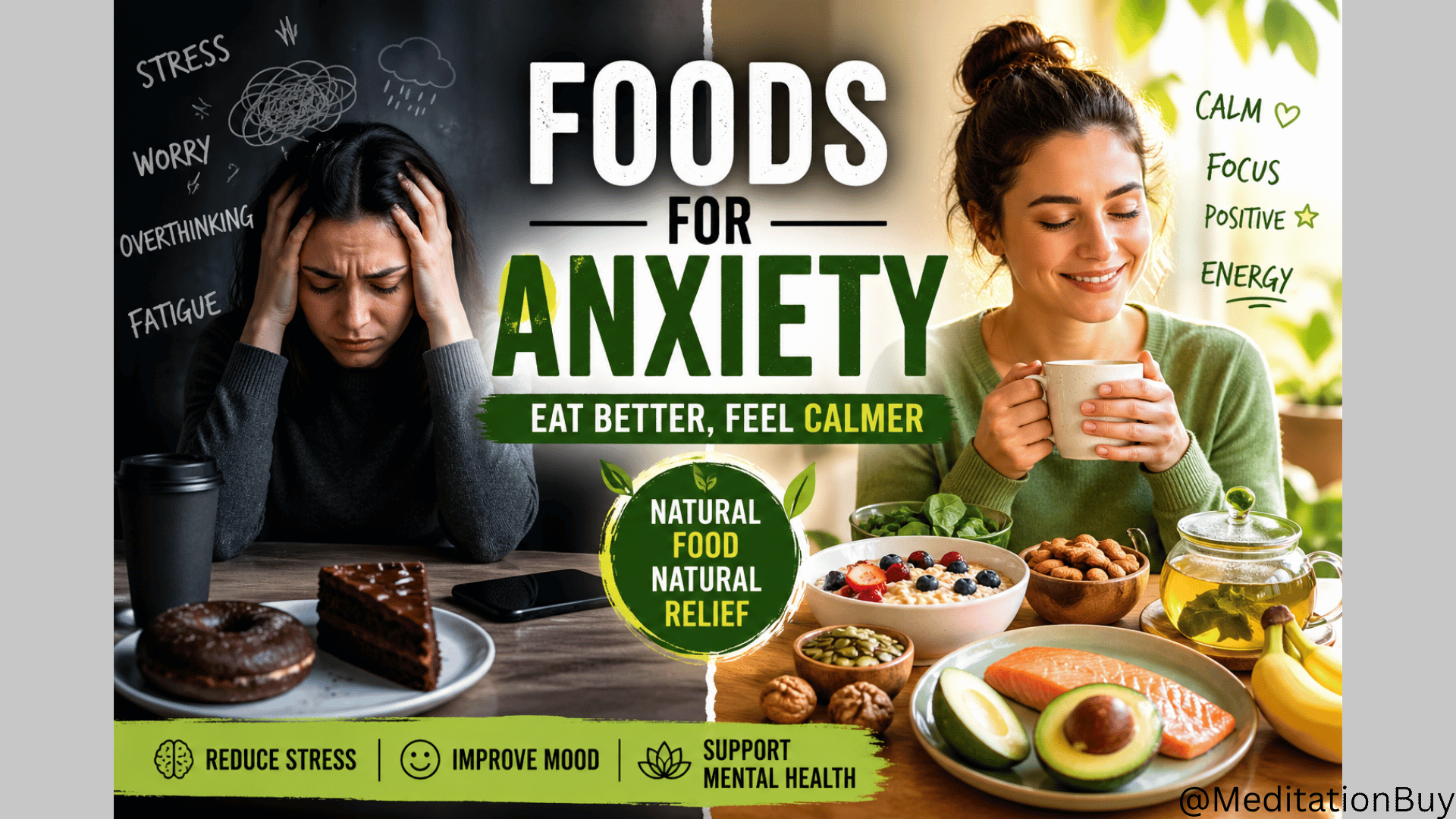

Foods for Anxiety: A Deep, Science-Backed Guide to Calming Your Mind Naturally
Anxiety is not merely a psychological condition—it is a complex physiological state involving neurotransmitters, hormonal responses, inflammation, and even gut microbiota. The food you consume directly influences these systems. A strategic, nutrient-dense diet can modulate brain chemistry, stabilize mood, and reduce the severity of anxiety symptoms over time.
This comprehensive guide explores foods for anxiety through a scientific lens, explaining not just what to eat, but why it works at a biological level.
The Neurobiology of Anxiety and Nutrition
To understand how food affects anxiety, it is essential to examine key biological mechanisms:
- Neurotransmitter Regulation: Serotonin, dopamine, and GABA are critical for mood stability. Their synthesis depends on amino acids and micronutrients obtained from food.
- Hypothalamic-Pituitary-Adrenal (HPA) Axis: Chronic stress dysregulates cortisol production. Certain nutrients help normalize this stress response.
- Blood Glucose Homeostasis: Fluctuating blood sugar levels can trigger irritability and anxiety-like symptoms.
- Gut-Brain Axis: Approximately 90% of serotonin is produced in the gut, making microbiome health crucial for emotional regulation.
- Inflammatory Pathways: Chronic inflammation is strongly associated with anxiety and depressive disorders.
Top Foods for Anxiety (With Scientific Explanation)
1. Fatty Fish (Omega-3 Fatty Acids)
Fatty fish such as salmon and sardines are rich in EPA and DHA. These omega-3 fatty acids reduce neuroinflammation and improve neuronal membrane fluidity, enhancing neurotransmitter signaling.
2. Dark Chocolate (Flavonoids & Magnesium)
Dark chocolate contains flavonoids that improve cerebral blood flow. Magnesium plays a key role in regulating the nervous system and reducing cortisol levels.
3. Fermented Foods (Probiotics)
Foods like yogurt and fermented vegetables introduce beneficial bacteria into the gut, improving microbiome diversity and influencing the gut-brain axis.
4. Green Tea (L-Theanine)
L-theanine increases alpha brain wave activity, promoting a state of relaxed alertness without sedation.
5. Turmeric (Curcumin)
Curcumin exhibits potent anti-inflammatory and antioxidant properties, modulating pathways associated with mood disorders.
6. Eggs (Choline & Vitamin D)
Choline is essential for acetylcholine synthesis, a neurotransmitter involved in memory and mood regulation.
7. Leafy Greens (Magnesium)
Magnesium deficiency is strongly linked with increased anxiety. It acts as a natural NMDA receptor antagonist, calming neural excitability.
8. Nuts & Seeds
Almonds and pumpkin seeds provide zinc and healthy fats, both essential for synaptic function and stress resilience.
9. Berries (Antioxidants)
High antioxidant content helps neutralize oxidative stress, which is elevated in individuals with anxiety disorders.
10. Whole Grains
Complex carbohydrates enhance tryptophan availability in the brain, boosting serotonin production.
11. Bananas
Contain vitamin B6 and tryptophan, both necessary for serotonin synthesis.
12. Avocados
Rich in B vitamins and monounsaturated fats, supporting nerve cell integrity and energy metabolism.
13. Chamomile Tea
Contains apigenin, a compound that binds to benzodiazepine receptors, producing mild sedative effects.
14. Lentils & Legumes
Provide steady glucose release and are rich in folate, which is critical for neurotransmitter production.
15. Zinc-Rich Foods
Zinc deficiency is associated with impaired neural communication and increased anxiety symptoms.
Functional Nutrition Table for Anxiety
| Nutrient | Biological Role | Impact on Anxiety | Sources |
|---|---|---|---|
| Omega-3 Fatty Acids | Anti-inflammatory, neuronal support | Reduces brain inflammation | Fish, walnuts |
| Magnesium | Regulates NMDA receptors | Calms nervous system | Spinach, almonds |
| Probiotics | Gut microbiome balance | Improves mood regulation | Yogurt, fermented foods |
| Vitamin B Complex | Neurotransmitter synthesis | Enhances mental stability | Eggs, legumes |
| Antioxidants | Reduces oxidative stress | Protects brain cells | Berries, cocoa |
| Tryptophan | Serotonin precursor | Improves mood | Bananas, oats |
Foods That Exacerbate Anxiety
| Food Category | Mechanism | Effect |
|---|---|---|
| Caffeine | Stimulates central nervous system | Triggers restlessness and palpitations |
| Refined Sugar | Rapid glucose spikes | Leads to mood crashes |
| Ultra-Processed Foods | Promotes inflammation | Worsens mental health |
| Alcohol | Disrupts neurotransmitters | Impairs sleep and mood |
Strategic Daily Diet Plan for Anxiety Management
| Meal | Composition | Purpose |
|---|---|---|
| Breakfast | Oats + banana + almonds | Stabilize blood sugar, boost serotonin |
| Lunch | Brown rice + lentils + greens | Sustain energy, provide micronutrients |
| Snack | Yogurt + berries | Support gut health |
| Dinner | Fatty fish + vegetables | Reduce inflammation |
| Evening | Chamomile tea | Promote relaxation and sleep |
FAQs (In-Depth)
Yes, diet plays a critical role in modulating neurotransmitters, inflammation, and hormonal balance. While it may not replace clinical treatment, it significantly enhances overall mental resilience.
Short-term effects (like magnesium intake) can be noticed within hours, while long-term improvements in gut health and brain chemistry may take weeks.
Yes, extensive research confirms that gut microbiota influence mood, cognition, and emotional regulation through neural, hormonal, and immune pathways.
No. Whole foods provide synergistic nutrients that supplements cannot fully replicate.
There is no single nutrient; however, magnesium, omega-3 fatty acids, and B vitamins are among the most impactful.
Conclusion
Anxiety management requires a multidimensional approach, and nutrition is a foundational pillar. By consistently consuming foods that support brain chemistry, reduce inflammation, and stabilize physiological systems, you create an internal environment conducive to calmness and resilience.
Rather than viewing food as merely fuel, consider it a form of biochemical signaling—one that can either exacerbate anxiety or actively reduce it.
