
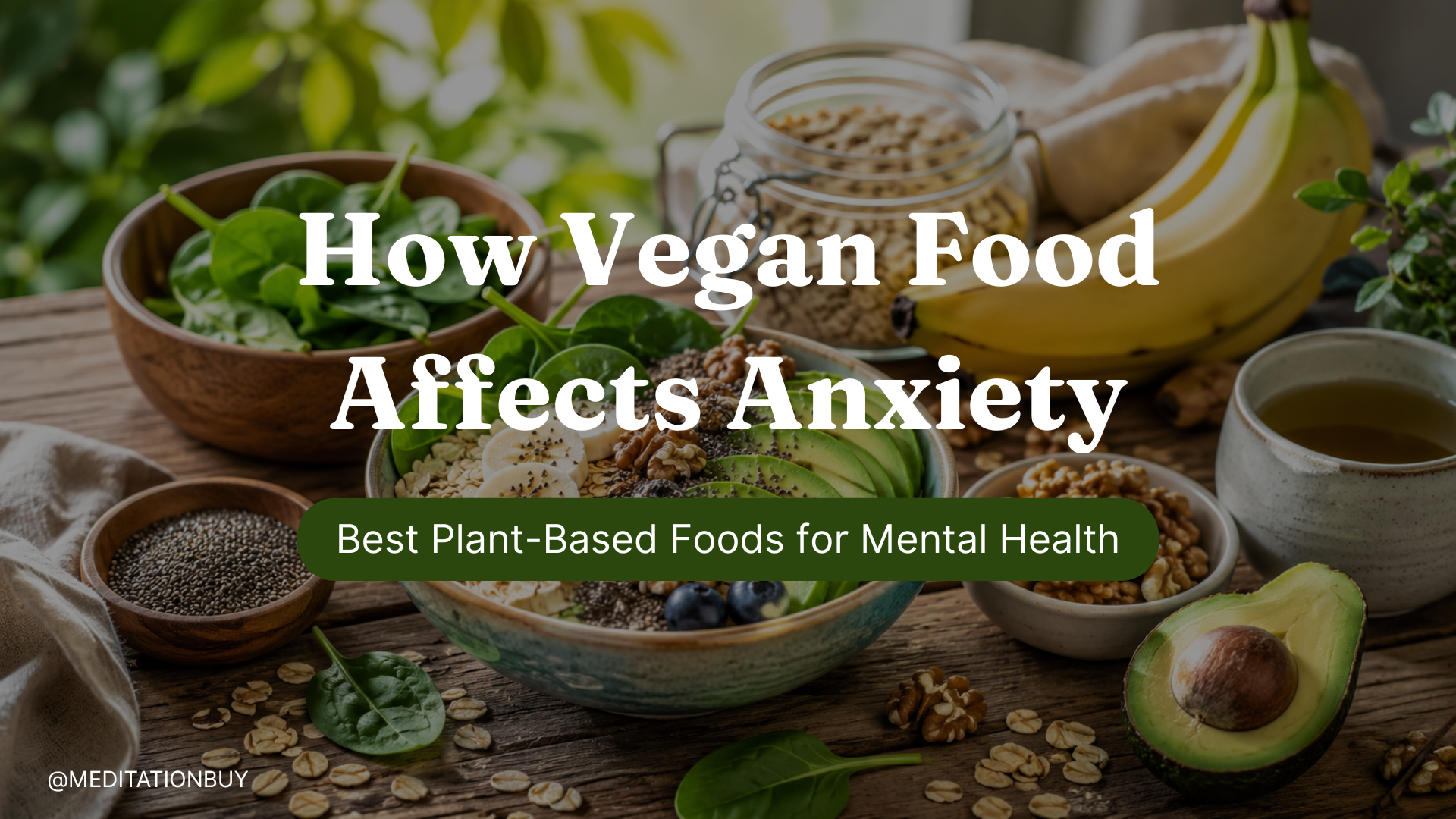

How Vegan Food Affects Anxiety: Complete Guide to Plant-Based Mental Health
Anxiety has become one of the most common mental health challenges in modern life. Millions of people struggle daily with overthinking, panic attacks, stress, sleep problems, emotional exhaustion, and constant worry. While therapy, exercise, and medication remain important treatment options, researchers and health experts are increasingly studying how nutrition affects emotional well-being.
One eating style that continues to grow in popularity is the vegan diet. Many people switch to vegan food for ethical reasons, environmental concerns, weight management, or overall health improvement. But another important question is gaining attention:
Can vegan food affect anxiety levels?
The answer is more complex than a simple yes or no. Some people report feeling calmer, lighter, more energetic, and emotionally balanced after switching to whole-food plant-based meals. Others experience fatigue, brain fog, mood swings, or increased anxiety due to nutritional deficiencies and poor meal planning.
The impact of vegan food on anxiety depends largely on the quality of the diet, nutrient balance, lifestyle habits, and overall health condition.
Understanding Anxiety and Mental Health
Anxiety is the body’s natural response to stress or danger. In small amounts, anxiety can help people stay alert and focused. However, chronic anxiety can negatively affect daily life, relationships, sleep quality, productivity, and physical health.
Common Symptoms of Anxiety
- Racing thoughts
- Constant worrying
- Rapid heartbeat
- Sweating
- Restlessness
- Muscle tension
- Difficulty sleeping
- Panic attacks
- Digestive discomfort
- Fatigue
- Irritability
- Difficulty concentrating
Anxiety may be triggered by chronic stress, trauma, poor sleep, excess caffeine, hormonal imbalance, financial pressure, social anxiety, poor nutrition, and lack of exercise.
The Connection Between Food and Mental Health
The brain requires nutrients to function properly. Neurotransmitters like serotonin, dopamine, and GABA play major roles in mood regulation, emotional balance, motivation, and relaxation.
Food directly affects these systems.
A diet high in processed sugar, refined carbohydrates, artificial ingredients, excess caffeine, and deep-fried foods may increase inflammation and contribute to unstable mood and energy crashes.
On the other hand, nutrient-rich whole foods may help support stable energy, better sleep, improved gut health, reduced inflammation, balanced mood, and better stress management.
What Is a Vegan Diet?
A vegan diet avoids all animal-based products including meat, fish, eggs, dairy, and honey.
Instead, vegans consume plant-based foods such as:
- Fruits
- Vegetables
- Whole grains
- Nuts
- Seeds
- Beans
- Lentils
- Plant milk
- Tofu
- Legumes
A healthy vegan diet focuses on whole foods rather than heavily processed vegan snacks and junk foods.
How Vegan Food May Help Anxiety
1. Vegan Foods Are Rich in Antioxidants
Plant foods contain antioxidants that help protect cells from oxidative stress and inflammation.
Chronic inflammation has been linked to stress, depression, mood imbalance, and cognitive fatigue.
Antioxidant-rich vegan foods include blueberries, spinach, kale, tomatoes, carrots, strawberries, and bell peppers.
2. Fiber Supports Gut Health
The gut and brain are strongly connected through the gut-brain axis.
Healthy gut bacteria may influence mood, stress response, sleep, and emotional regulation.
High-fiber vegan foods help feed beneficial gut bacteria.
- Oats
- Lentils
- Chickpeas
- Bananas
- Beans
- Chia seeds
- Brown rice
3. Whole Plant Foods Stabilize Energy Levels
Blood sugar fluctuations can affect mood and stress response.
Highly processed sugary foods may cause energy crashes, irritability, brain fog, and increased anxiety symptoms.
Whole plant foods release energy more slowly and steadily.
4. Vegan Diets May Increase Magnesium Intake
Magnesium is an important mineral involved in muscle relaxation, nervous system function, stress regulation, and sleep quality.
Good vegan magnesium sources include:
- Pumpkin seeds
- Almonds
- Spinach
- Cashews
- Dark chocolate
- Avocados
Best Vegan Foods for Anxiety Relief
| Food | Potential Benefits |
|---|---|
| Oats | Stabilizes blood sugar and energy |
| Bananas | Supports serotonin production |
| Walnuts | Plant-based omega-3 fats |
| Spinach | Rich in magnesium |
| Lentils | Protein and iron support |
| Chia Seeds | Fiber and omega-3 |
| Avocados | Healthy fats for brain function |
| Dark Chocolate | May improve mood |
| Sweet Potatoes | Slow-release carbohydrates |
| Tofu | Protein and amino acids |
Nutrients That Matter Most for Anxiety
Vitamin B12
Vitamin B12 supports brain function, nerve health, and energy production.
Low B12 levels may contribute to fatigue, brain fog, mood changes, and weakness.
Iron
Iron helps transport oxygen throughout the body and brain.
Plant iron sources include lentils, spinach, beans, tofu, and pumpkin seeds.
Omega-3 Fatty Acids
Omega-3 fats are important for brain function and emotional regulation.
Vegan sources include flaxseeds, walnuts, chia seeds, and hemp seeds.
Protein
Protein provides amino acids used to produce neurotransmitters.
Good vegan protein sources include lentils, tofu, chickpeas, tempeh, beans, and quinoa.
Can Vegan Diets Make Anxiety Worse?
Yes, poorly planned vegan diets can sometimes worsen mental health symptoms.
This usually happens when people:
- Skip balanced meals
- Eat excessive processed vegan foods
- Ignore nutrient deficiencies
- Consume too little protein
- Follow extreme restriction diets
Healthy Vegan Lifestyle Habits for Anxiety Support
- Daily physical activity
- Proper hydration
- Quality sleep
- Stress management
- Reduced caffeine intake
- Meditation or breathing exercises
- Sunlight exposure
- Social connection
Simple Vegan Meal Plan for Anxiety Support
Breakfast
Oats with banana, chia seeds, almond butter, and berries
Lunch
Brown rice, lentils, spinach curry, and salad
Dinner
Tofu stir-fry with vegetables and sweet potatoes
Frequently Asked Questions
Can vegan food cure anxiety?
No. Anxiety is complex and may require therapy, lifestyle changes, stress management, and medical support.
Which vegan foods are best for anxiety?
Oats, bananas, walnuts, spinach, chia seeds, lentils, and avocados are commonly recommended.
Can processed vegan food increase anxiety?
Yes. Highly processed foods with excess sugar and unhealthy ingredients may negatively affect mood and energy.
Do vegans need supplements?
Some vegans may require supplements such as vitamin B12 depending on their dietary intake.
Conclusion
A healthy vegan diet may positively affect anxiety and mental health when it includes balanced nutrition, whole foods, healthy fats, fiber, vitamins, and adequate protein.
Plant-based eating may support stable energy, better gut health, reduced inflammation, improved mood, and better stress management.
However, poorly planned vegan diets can sometimes worsen fatigue and emotional imbalance due to nutrient deficiencies.
The most important factor is not simply whether a diet is vegan or non-vegan, but whether it is balanced, nutritious, and sustainable.
When combined with proper sleep, exercise, stress management, and professional support when needed, healthy vegan eating can become part of a more stable and mindful lifestyle.
